Fertulity IVF
Fertulity IVF

Improving Sperm Quality The Complete Guide (IVF)

What is Sperm Optimization?

Sperm health plays a key role in natural conception and male reproductive potential. But sperm quality can be influenced by many factors from lifestyle and nutrition to environmental exposure and medical conditions.
Book a Consultation

The Three Key Elements of Sperm Health

The Route to pregnancy, step by step
Element 1

Quantity (Sperm Count)

The number of sperm in each ejaculation is a fundamental fertility factor. A healthy semen sample ideally contains at least 15 million sperm per milliliter. When this number is lower, the chances of achieving natural conception are significantly reduced, as there are fewer sperm capable of reaching the egg.
Strong sperm with high motility move toward the egg during IVF, reflecting male fertility health.
Element 2

Motility (Motility)

For a sperm cell to fertilize the egg, it must successfully travel through the cervix, uterus, and fallopian tubes. This ability is called motility. At least 40% of the sperm must be motile in order to increase the chances of pregnancy. Although pregnancy can occur with lower percentages, the odds are clearly reduced.
Strong sperm with high motility move toward the egg during IVF, reflecting male fertility health.
Element 3

Morphology (Sperm Shape)

Morphology refers to the shape and structure of sperm. “Normal” sperm have an oval head and long tail — features that facilitate movement toward the egg. Although morphology is not as critical as quantity or motility, a high percentage of normal shapes is associated with a higher probability of successful fertilization.
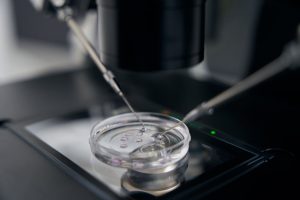
IVF lab procedure: micropipette precisely injects sperm into egg for fertilization under controlled conditions.

When Is a Semen Analysis Necessary?

Semen analysis is the most basic and reliable test for evaluating male fertility. It is recommended as a preventive measure before starting to try for pregnancy, to have a clear picture of sperm quality and detect any issues early on. The test also becomes essential when a couple is trying to conceive without success for a long time: specifically, after 12 months of targeted attempts for women under 35, or 6 months if the woman is over 36.
Book an Evaluation
Additionally, semen analysis is important in cases with a medical history that may affect fertility, such as testicular surgery, cancer, or medications that affect hormonal balance.
Speak to a fertility expert today – Free consultation

Factors That Reduce Sperm Quality

Ways to Improve Sperm Quality

Book a Consultation

Sperm-Friendly Diet

Proper nutrition plays a vital role in improving sperm quality. Foods rich in antioxidants such as vitamin C, E, and selenium protect sperm from oxidative stress. Incorporating into your diet foods like walnuts, olive oil, omega-3 rich fish, and dark leafy greens can enhance sperm morphology, motility, and density

Supplements: L-Carnitine, Fertilovit Mplus

Targeted supplements such as L-carnitine, zinc, coenzyme Q10, and specialized male fertility formulas can significantly enhance spermatogenesis. These micronutrients support cellular energy, improve DNA quality in sperm, and protect against damage.

Exercise & Ideal BMI

Regular physical exercise and maintaining a normal Body Mass Index (BMI) are directly linked to hormonal balance and healthy sperm production. Obesity affects testosterone and sperm motility, while excessive exercise without proper recovery can have the opposite effect. Ideally, aim for an active lifestyle with balanced activity and stable weight.

Quit Smoking & Limit Alcohol/Caffeine

Quitting smoking is a necessary step for restoring fertility, as it reduces inflammation, increases sperm motility, and improves morphology. At the same time, limiting alcohol and caffeine helps stabilize hormones and maintain good reproductive function.

Protection from Heat & Radiation

Excessive heat in the testicular area can negatively impact sperm production. Avoiding saunas, hot baths, and wearing loose clothing helps maintain the correct temperature. In addition, protecting against mobile and laptop radiation with simple daily hygiene habits can reduce sperm-related risks.

Sleep & Stress Management

Sleep quality and stress management are crucial factors for sperm health. Chronic stress increases cortisol levels, negatively affecting testosterone.

Medical Interventions: When Specialized Support Is Needed

In some cases, improving sperm quality requires medical intervention.
Varicocele — enlarged veins in the testicle — is one of the most common pathologies linked to infertility and can be surgically treated with significant improvement in sperm parameters.

Infections in the reproductive system, such as prostatitis or epididymitis, can affect motility and morphology and require targeted medical treatment. Finally, hormonal disorders such as low testosterone or elevated prolactin may require endocrine evaluation and replacement therapy.

Our Doctors

In an era where fertility requires knowledge, care, and substantial guidance, FertUlity is not an impersonal clinic. It is two people who look you in the eye and accompany you step by step on the journey you dream of.

Dr. Maria Oikonomou Obstetrician – Gynecologist

See Full CV

Dr. Chrysostomos (Makis) Papadopoulos Obstetrician – Gynecologist, MD, PhDc, MIC I

See Full CV

Frequently Asked Questions about Improving Sperm Quality

How long does it take to improve sperm quality?

The production of new sperm takes about 64–74 days. This means that lifestyle changes, such as diet or quitting smoking, begin to show results in 2–3 months. Consistency is the key to long-term improvement.

Which food helps male fertility the most?

Foods rich in zinc, selenium, vitamins C and E, and antioxidants (e.g. walnuts, fatty fish, spinach, eggs) support sperm health.

Does obesity affect sperm?

Yes, increased weight is linked to hormonal imbalances and reduced sperm motility. Achieving a normal BMI can significantly improve sperm quality and overall fertility.

Which supplements help increase sperm motility?

L-carnitine, coenzyme Q10, zinc, and fertility-specific supplements can boost motility and overall sperm quality. Always consult your doctor before starting.

When should I get a semen analysis?

Semen analysis is recommended preventively before trying to conceive or if conception has not occurred after more than 12 months (or 6 months if your partner is over 36). It is also essential in cases with a medical history affecting fertility.

The First Step Starts Now

You don’t need to have all the answers to begin.
All it takes is one first step, and a team that truly listens.
Book Your Consultation

FertulityThrough the Words of Parents

100% genuine, public Google reviews.
Because every fertility journey begins with honesty and trust.

Why choose FertUlity?

Because every fertility journey deserves the right support.

At FertUlity, we provide science-based fertility care with a human approach.
We support every path, from fertility assessment and preservation to modern assisted reproduction.

Ready for the next step?

Contact Form
crossmenu