Fertulity IVF
Fertulity IVF

Recurrent Implantation Failure  (RIF)

What is Recurrent Implantation Failure (RIF)?

Building a family is a deep and meaningful dream for many people. However, when embryo implantation repeatedly fails despite proper medical support, the emotional burden can be significant, and the need for clear answers becomes urgent. The FertUlity team stands by your side throughout this challenging journey, offering specialized guidance and truly personalized care.

Recurrent Implantation Failure (RIF) refers to the inability to achieve pregnancy after the transfer of high-quality embryos in at least two or three IVF cycles, depending on the patient’s age. It is not simply a failed IVF attempt, but a complex condition that requires thorough evaluation, individualized diagnosis, and targeted treatment strategies.

Why Does Recurrent Implantation Failure (RIF) Occur?

Recurrent Implantation Failure (RIF) is a multifactorial condition, and in many cases, there is no single underlying cause. Instead, multiple factors may contribute to repeated implantation failure, affecting the success of IVF treatment and embryo implantation.

How is Recurrent Implantation Failure (RIF) Diagnosed?

Our approach to diagnosing Recurrent Implantation Failure (RIF) is holistic and comprehensive, focusing on identifying all possible factors that may affect embryo implantation and IVF success. It includes:
Detailed medical history of previous failed IVF cycles
3D ultrasound and sonohysterography (Aqua Scan), followed by hysteroscopy if required
Hormonal and blood testing (TSH, prolactin, thrombophilia screening, antiphospholipid antibodies, etc.)
Evaluation of immunological parameters (NK cells, HLA compatibility, cytokines)
Testing for uterine microbiome and exclusion of chronic endometritis (e.g. EMMA, ALICE)
Advanced sperm quality analysis through male fertility testing (including sperm DNA fragmentation)
Genetic testing of the couple and/or preimplantation genetic testing of embryos (PGT)
Identification of the implantation window (e.g. ERA test – Endometrial Receptivity Analysis)

What is the Treatment Approach for Recurrent Implantation Failure (RIF)?

There is no “one-size-fits-all” solution. Every infertility journey is unique, just like the personalized treatment plan we design. The treatment approach for Recurrent Implantation Failure (RIF) is based on diagnostic findings and tailored to the specific needs of each couple, aiming not only for technical success, but for achieving a healthy and sustainable pregnancy.

When anatomical abnormalities of the uterus are identified, minimally invasive procedures such as hysteroscopic removal of polyps or correction of adhesions are performed. In cases of hormonal or immunological imbalance, targeted medical therapy is recommended to restore balance and optimally prepare the endometrium. Chronic inflammation or microbial imbalances are treated with personalized antibiotic and anti-inflammatory protocols, ensuring a favorable uterine environment for embryo implantation.

The selection of the appropriate cycle type natural, modified, or hormonally supported is also crucial. At the same time, specialized supportive treatments such as G-CSF, corticosteroids, low molecular weight heparin, or aspirin may be administered to enhance endometrial receptivity and reduce potential immune responses against the embryo. In cases where chromosomal abnormalities are suspected, preimplantation genetic testing (PGT) is applied to select euploid embryos with the highest chances of implantation and pregnancy success.

Can the Outcome Be Changed? Yes.

Recurrent Implantation Failure (RIF) is undoubtedly a challenging experience. However, advances in reproductive medicine have been remarkable. At FertUlity, we have repeatedly demonstrated that even the most complex cases of multiple failed embryo implantations can be successfully managed through expertise, patience, and targeted interventions. Many couples who experienced years of unsuccessful IVF attempts have ultimately achieved their dream of holding their child.

There is real hope and it is evidence-based. With accurate diagnosis, the right fertility tests, and a personalized, patient-centered approach, success rates can significantly improve. At FertUlity, we do not focus only on results we focus on the people behind them. Our goal is to deliver precision in diagnosis, depth in treatment, and honesty in communication, standing by your side with empathy, expertise, and commitment.

Frequently Asked Questions About Recurrent Implantation Failure (RIF)

How many failed implantations are required to diagnose RIF?

Recurrent Implantation Failure (RIF) is typically diagnosed after at least 2–3 embryo transfer cycles involving high-quality embryos without successful implantation. However, each case is evaluated individually, taking into account factors such as age, medical history, and the number of embryos transferred.

Can I get pregnant naturally if I have RIF?

Yes, in some cases natural pregnancy is possible. When the underlying causes of RIF are properly identified and treated, some women are able to conceive naturally without further assisted reproductive techniques. Careful monitoring and support from a specialized fertility team can significantly increase the chances.

What’s the difference between RIF and recurrent miscarriage?

The key difference lies in the stage at which reproductive failure occurs. In RIF, embryo implantation does not take place, meaning pregnancy never begins. In contrast, recurrent miscarriage occurs after successful implantation, when pregnancy is established but repeatedly lost in the early stages. Although some causes may overlap, different diagnostic and treatment approaches are required.

Does sperm affect implantation?

Absolutely. Even when a standard semen analysis shows normal parameters, underlying issues such as high sperm DNA fragmentation or genetic abnormalities may exist. These factors can negatively impact embryo quality and reduce its ability to implant and develop successfully.

Our Doctors

In an era where fertility requires knowledge, care, and substantial guidance, FertUlity is not an impersonal clinic. It is two people who look you in the eye and accompany you step by step on the journey you dream of.

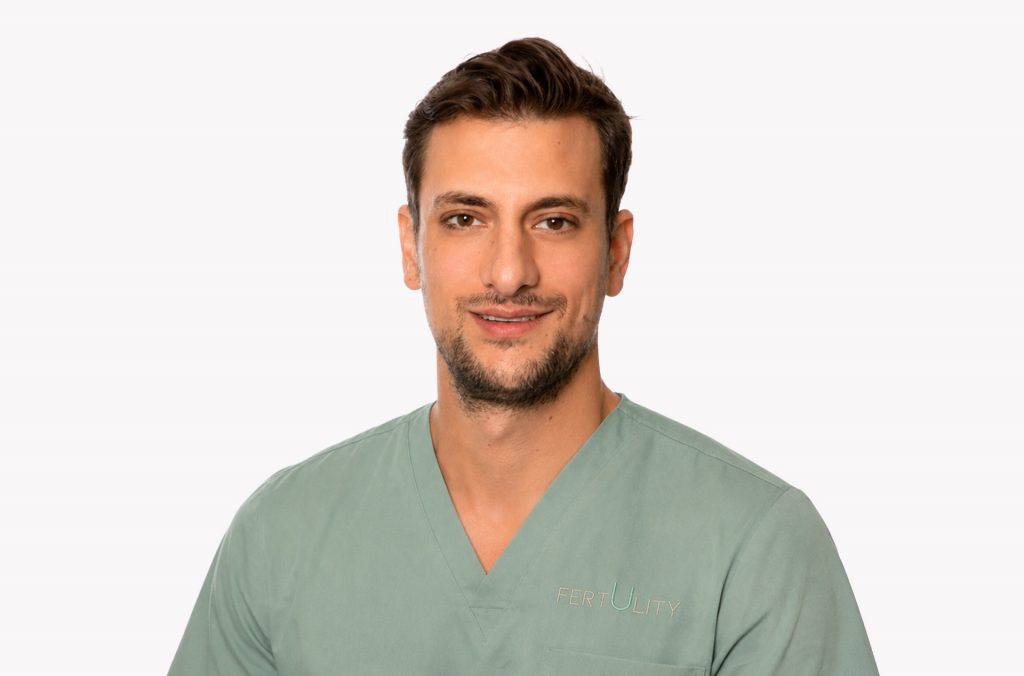
Dr. Chrysostomos (Makis) Papadopoulos Obstetrician – Gynecologist, MD, PhDc, MIC I

See Full CV

Dr. Maria Oikonomou Obstetrician – Gynecologist

See Full CV

The First Step Starts Now

You don’t need to have all the answers to begin.
All it takes is one first step, and a team that truly listens.
Book Your Consultation

FertulityThrough the Words of our Parents

100% genuine, public Google reviews.
Because every fertility journey begins with honesty and trust.

Why choose FertUlity?

Because every fertility journey deserves the right support.

At FertUlity, we provide science-based fertility care with a human approach.
We support every path, from fertility assessment and preservation to modern assisted reproduction.

Ready for the next step?

Contact Form

Learn More About IVF & Fertility

Knowledge brings confidence. At FertUlity, we share evidence-based information so you can make the right decisions about your fertility.
crossmenu