Fertulity IVF
Fertulity IVF

Egg Freezing The Modern Choice for Fertility Control

What is Egg Freezing?

Egg freezing is an advanced fertility preservation method that responds to the modern needs of women. Whether it concerns women who wish to delay motherhood for social or professional reasons, or those facing medical challenges, egg freezing offers a promising solution.

Through this process, a woman can effectively “pause” her biological clock, preserving her ability to have a child at a later stage when she feels ready or when her health allows it. It is like donating her own eggs to her future self, ensuring higher chances of success in a future IVF (in vitro fertilization) treatment. This option combines scientific advancement with personal freedom, empowering women to take control of their reproductive planning.

The Egg Freezing Process Step-by-Step

Egg freezing is a process that lasts approximately 10–14 days, combining scientific precision with absolute safety. It is designed for women who wish to preserve their fertility in a modern and controlled way.

When to Choose the Egg Freezing Method

Egg freezing is a strategic choice for women who want to preserve their fertility with reliability and perspective. Here's when it may be the right choice:

When there is a medical history that affects fertility

- In cases of medical conditions such as sickle cell anemia or autoimmune diseases (e.g. lupus), fertility may decline over time. Egg freezing helps preserve high-quality eggs before a potential deterioration in reproductive function occurs.

- In patients with endometriosis: It is well established that endometriosis negatively affects the ovarian reserve. For this reason, egg freezing is now recommended soon after diagnosis to help safeguard future fertility.

Before starting treatments that damage fertility

- If you are about to undergo chemotherapy, radiation therapy, or other treatments that may affect the ovaries, egg freezing offers a second chance at motherhood. The procedure is carried out before the start of treatment, ensuring the possibility of having children in the future using your own genetic material.

- Egg freezing is also recommended if you are planning to undergo surgery for the treatment of endometriosis, as surgical intervention may impact ovarian reserve and fertility.

If undergoing IVF and prefer egg freezing over embryo freezing

Some women, for ethical or religious reasons, do not wish to freeze embryos. In such cases, egg freezing offers an alternative with high success rates.

When you want to preserve younger eggs for future use

Freezing eggs at a more fertile age increases chances of a successful pregnancy later. It's an ideal choice for women wishing to delay motherhood without compromising egg quality.

When you want a child with a partner or donor in the future

Frozen eggs can later be fertilized with a partner’s or donor’s sperm. It gives women the ability to choose when and with whom to start a family.

When you want technological safety and proven results

Today, advanced technology enables egg cryopreservation with post-thaw survival rates reaching 80–90%. Success rates using frozen eggs are comparable to those achieved with fresh eggs, with hundreds of births worldwide already confirming the effectiveness of this method.

Egg Freezing Success Rates: What Are Your Real Chances?

The question that concerns most women before choosing egg freezing is simple: “What are the real chances of success?” It is important to clarify that the logic “10 eggs equal 10 future babies” does not apply. The journey from egg freezing to pregnancy involves multiple stages, and at each stage there is a degree of loss.

For this reason, success cannot be guaranteed, but statistically, success rates remain high when the process is performed under optimal conditions.

From freezing to thawing: the first set of odds

Eggs are highly sensitive cells and must survive both the freezing and thawing processes. The survival rate is around 90%, proving significant advancements in the method over recent years. However, this is only the first step.
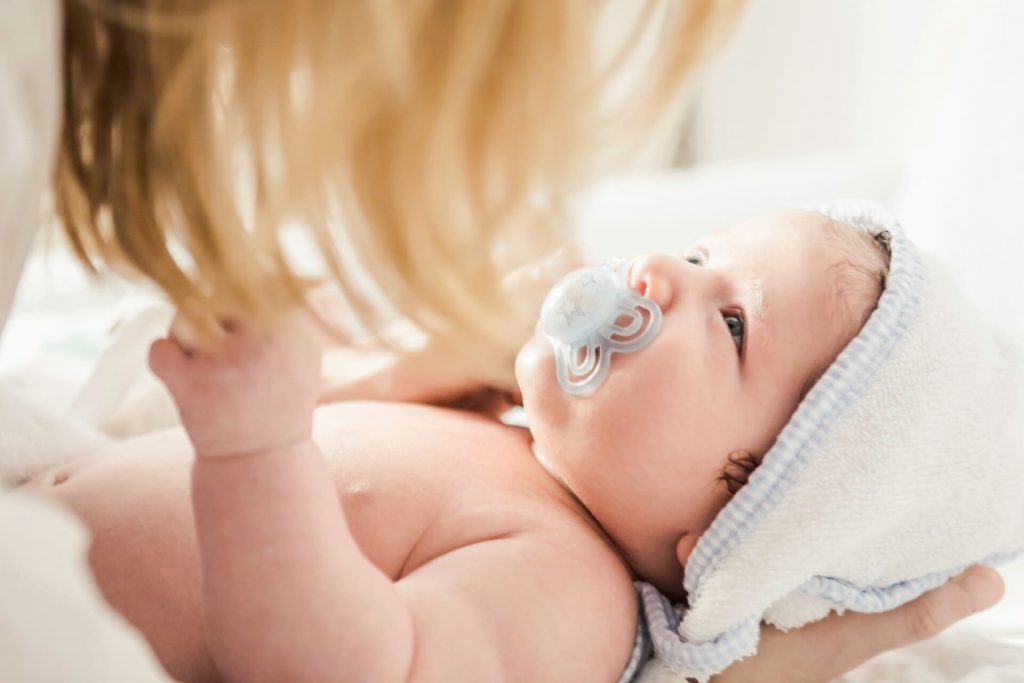
Joyful mother holds newborn after successful egg freezing in Greece, celebrating the outcome of modern fertility treatment.

Fertilization and embryo development

The next stage is fertilization using sperm, either from a partner or a donor. Here, successful fertilization rates reach about 75%. But even then, the embryo must develop properly to be suitable for uterine transfer. Each step is critical on the road to pregnancy.
Newborn’s hands on soft blanket symbolize hope after egg freezing in Greece, a gentle outcome of modern fertility science.

Successful pregnancy after implantation

Once the embryo is transferred to the uterus, success rates range between 30% and 60%, depending on the age at which the eggs were frozen. The younger the age, the higher the chance of success. Age is a decisive factor in egg quality.
Cupped hands represent the careful handling of frozen eggs in Greece, reflecting the clinic’s dedication to IVF care.

The “golden” number of eggs for better chances

Success is ultimately a “numbers game.” The more eggs that are frozen, the higher the likelihood of a resulting pregnancy. For a woman aged 30–37, collecting 15 eggs may yield 11–12 of good quality. If the goal is future pregnancy with realistic success rates, freezing at least 8–15 eggs is recommended, especially around age 30.
Gentle handhold symbolizes emotional support during egg freezing in Greece, offering comfort for women planning future parenthood.

Frequently Asked Questions About Egg Freezing

Do I need to have a partner to freeze my eggs?

No. Having a partner or spouse is not a requirement for egg freezing, as the eggs are frozen in an unfertilized state. The decision can be entirely personal and independent of relationships or family plans, giving women freedom of choice for the future.

How many eggs do I need to freeze for a good chance at pregnancy?

Age and egg quantity play a crucial role in success rates. The younger the age at freezing and the greater the number of eggs, the higher the chances. For example, with 20 frozen eggs, the chance of having a child can reach up to 90%, while with 12 eggs it's around 60%. Your doctor will guide you individually based on your specific profile.

What happens when I want to use my eggs?

When you’re ready for pregnancy, the eggs are thawed and fertilized using the ICSI (intracytoplasmic sperm injection) method. The embryo is then cultured in the lab to the blastocyst stage and transferred to the uterus. Embryo transfer can take place during a natural cycle or with medication to prepare the endometrium. The pregnancy test is done about 10 days later.

What are the success rates of egg freezing?

With modern vitrification techniques, frozen eggs show survival rates over 80% post-thaw and success rates comparable to fresh eggs. Large studies show pregnancy rates per embryo transfer ranging from 45% to 53%. Still, no stage is guaranteed – egg and sperm quality, as well as age, remain critical factors.

How long can eggs remain frozen?

In Greece, according to current legislation, eggs can be stored in liquid nitrogen for up to 20 years, providing women with greater flexibility and control over their family planning.

Why freeze eggs if I'm not sure I’ll use them?

Egg freezing is a preventative measure, safeguarding reproductive potential. Even if they’re never used, it provides peace of mind and freedom of choice. Many women freeze their eggs but conceive naturally — the important thing is they had an option. If pregnancy doesn’t occur naturally, those eggs may become the solution that makes the difference.

Our Doctors

In an era where fertility requires knowledge, care, and substantial guidance, FertUlity is not an impersonal clinic. It is two people who look you in the eye and accompany you step by step on the journey you dream of.

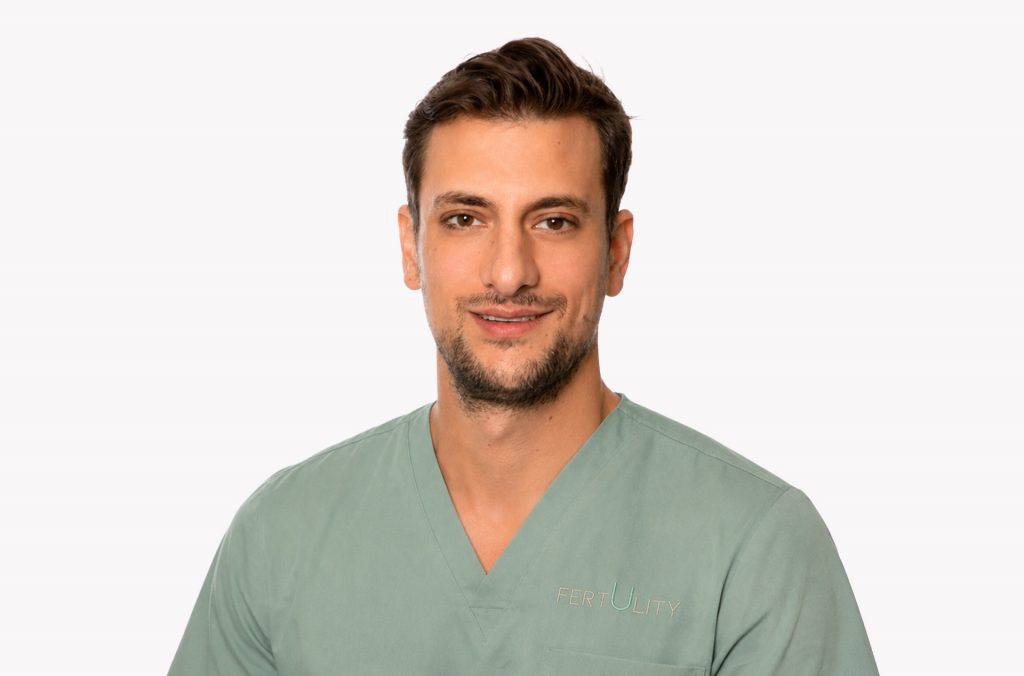
Dr. Maria Oikonomou Obstetrician – Gynecologist

See Full CV

Dr. Chrysostomos (Makis) Papadopoulos Obstetrician – Gynecologist, MD, PhDc, MIC I

See Full CV

The First Step Starts Now

You don’t need to have all the answers to begin.
All it takes is one first step, and a team that truly listens.
Book Your Consultation

FertulityThrough the Words of Parents

100% genuine, public Google reviews.
Because every fertility journey begins with honesty and trust.

Why choose FertUlity?

Because every fertility journey deserves the right support.

At FertUlity, we provide science-based fertility care with a human approach.
We support every path, from fertility assessment and preservation to modern assisted reproduction.

Ready for the next step?

Contact Form

Learn More About IVF & Fertility

Knowledge brings confidence. At FertUlity, we share evidence-based information so you can make the right decisions about your fertility.
crossmenu