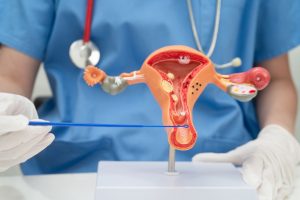
The success of in vitro fertilization depends on many often-complex factors — one of which is the woman’s immune system. In recent years, the scientific community has paid special attention to the impact of immunological parameters on fertility and successful embryo implantation. In this context, Intralipid therapy is emerging as an innovative approach that supports the intrauterine environment, especially in women with a history of recurrent implantation failure or miscarriage. Intralipid is an intravenous lipid solution used for immune system modulation, reducing the overactivity of natural killer cells (NK cells) and achieving a more favorable immune balance for pregnancy. Its application has given hope to couples who have exhausted other treatment options without success.
Intralipid therapy is a groundbreaking immunomodulatory approach in the field of assisted reproduction, aiming to improve the intrauterine environment and increase the chances of successful implantation. It is an intravenous lipid solution widely used in hospital care for parenteral nutrition, which, however, has gained a new role in reproductive medicine through its immune-modifying action.The use of Intralipid is especially important in cases where there are proven immunological barriers, such as increased activity of natural killer (NK) cells, which may prevent embryo implantation. The therapy is administered at specific times during an IVF cycle in order to ensure the appropriate immunological “ground” for pregnancy establishment.
Intralipid is a white, milky solution made primarily from plant-based fat particles, specifically soybean oil, egg lecithin, glycerin, and water for injection. The solution is high in polyunsaturated fatty acids, which play a significant role in regulating the body's inflammatory and immune responses.When administered intravenously, Intralipid gradually alters the cellular activity of the immune system, particularly leukocytes and NK cells. It may also affect the metabolism of prostaglandins and cytokines — molecules directly involved in inflammation, immune activation, and angiogenesis, all critical processes for fertilization and embryo implantation.
How Intralipid affects the immune system
Intralipid works by regulating the immune system’s overactivity, which may be observed in women with unexplained infertility, recurrent miscarriages, or implantation failures, even after transferring high-quality embryos. Its mechanism is linked to reducing the cytotoxic activity of NK cells, which normally play a defensive role but, when overactive, may perceive the embryo as a “foreign body” and attack it.By suppressing the excessive activation of these cells and generally balancing immune parameters, Intralipid contributes to the creation of a friendly intrauterine environment that allows for successful implantation and continuation of pregnancy. The treatment may also positively influence the balance between Th1 and Th2 lymphocytes, which is associated with the maternal immune tolerance of the embryo.
When Is Intralipid Used in IVF
Intralipid therapy is not used in all IVF cases but is a specialized approach applied mainly when there are indications that the woman’s immune system is hindering successful implantation or pregnancy progression. The precise timing and therapeutic protocol are determined based on the clinical picture, laboratory results, and patient history.
Cases where Intralipid therapy is recommended
Intralipid therapy is mainly recommended for couples who have undergone IVF or other forms of assisted reproduction without success, despite using good-quality embryos. Indicatively, Intralipid may be added in cases of:
Recurrent implantation failure (RIF)
Recurrent first-trimester miscarriages, especially without known chromosomal or anatomical causes
Unexplained infertility, where no apparent cause exists but immune involvement is suspected
Confirmed high NK cell activity or abnormal Th1/Th2 ratio
The fertility specialist will evaluate the overall findings and the couple’s history to decide whether adding the therapy is medically justified and likely to enhance the chances of pregnancy.
Combination with other treatments
Intralipid can be incorporated into various assisted reproduction treatment protocols, most commonly in IVF/ICSI cycles. Typically, the first infusion takes place a few days before embryo transfer, with a possible repeat after implantation, provided the pregnancy test is positive and depending on the immune parameter dynamics.Intralipid therapy may also be combined with preimplantation genetic testing (PGT-A/PGT-M), hormonal support, or intrauterine insemination (IUI) in women with immune-related issues, though evidence is more established in IVF cycles. In some cases, it is also used in natural conception cycles when severe immune imbalance is diagnosed.Proper timing and combination of Intralipid with other therapeutic interventions require experience and personalized planning, as each case is unique.
Do you have a history of failed IVF attempts or miscarriages?
Request a specialized immunological assessment and personalized consultation from our scientific team.
Adding Intralipid to an IVF protocol can offer significant advantages for women diagnosed with immune-related fertility challenges. This therapy not only provides support but also targets one of the main mechanisms that negatively impact implantation and pregnancy progression. Its clinical benefits fall into three key areas:
Improved implantation rates
One of the best-documented advantages of Intralipid is improving successful embryo implantation rates in the uterus. In IVF cycles with high-quality embryos but repeated implantation failures, immune regulation seems to play a crucial role. Intralipid administration helps reduce aggressive immune cells (such as NK cells) and enhances the endometrium’s receptivity, making it more “welcoming” to the embryo. This increases the chances of success, especially for women who have undergone multiple unsuccessful IVF attempts.
Reduced miscarriages
Another key benefit of Intralipid therapy is the significant reduction in miscarriage risk, particularly in women with a history of recurrent first-trimester losses without a clear cause. Autoimmune reactions against the embryo, due to immune system dysfunction, can lead to miscarriage even after successful implantation. Intralipid helps regulate these immune responses, reducing toxicity within the uterus and allowing the embryo to develop smoothly during the critical early stages of pregnancy.
Better immunological balance in the uterus
A successful pregnancy largely depends on immune balance within the uterine environment — the harmonious cooperation between the immune system and the embryo’s cells. Intralipid helps restore this balance by reducing the overactivity of Th1 cells and enhancing the presence of Th2 cells, which promote pregnancy maintenance. Additionally, it supports angiogenesis and microcirculation in the endometrial area, improving embryo nourishment. This sets the stage for smooth implantation and healthy pregnancy progression without immune-related complications.
Intralipid Treatment Timeline
Intralipid therapy is incorporated into the IVF protocol as a specialized immune-regulating tool. Proper timing, duration, and location of administration are critical to its effectiveness. Below is a step-by-step breakdown of the procedure.
When the infusion is done (before and after embryo transfer)
The first Intralipid infusion typically takes place a few days before embryo transfer to reduce immune system overactivity and prepare the endometrium for implantation. Specifically, the intravenous administration occurs about 5 to 7 days prior to embryo transfer. Depending on immune test results and pregnancy progression, a second Intralipid dose may be administered after a positive beta-hCG result, usually between the 4th and 6th week of pregnancy, to further stabilize the uterine immune environment.In special cases with highly elevated immune markers (e.g., very high NK cells), a third infusion may be considered during early pregnancy weeks, always under the guidance of a fertility specialist.
Duration & where it is done
The Intralipid infusion is administered intravenously under medical supervision. The procedure lasts approximately 90 to 120 minutes, requiring the patient to remain in a relaxed position throughout the infusion.
The treatment is provided in:
IVF units offering immunological support
Specialized clinics experienced in assisted reproduction
Private practices or partner diagnostic centers equipped for IV infusions
The Fertulity team ensures the coordinated scheduling of treatment to integrate smoothly into the overall IVF protocol without delays or inconvenience.
Are there side effects?
Intralipid therapy is considered safe, with a very low incidence of side effects, especially when administered under expert medical supervision. Most women experience no discomfort during or after infusion.
Possible mild side effects include:
Mild fluid retention or swelling in the limbs
Fatigue on the day of infusion
Rare allergic reactions (especially in individuals allergic to soy or egg)
Before starting the therapy, a detailed medical history is always taken to rule out contraindications and ensure complete safety.
Want to know if Intralipid therapy is right for you?
Our team of specialized gynecologists is ready to review your history and design a treatment plan tailored to your needs.
Frequently Asked Questions About Intralipid Therapy in IVF
Can Intralipid therapy be applied in natural conception cycles?
Yes, in certain cases Intralipid therapy can be applied even outside IVF, in natural conception cycles. This applies mainly to women with confirmed immune problems or a history of recurrent miscarriages. The therapy may help regulate the immune system and enhance natural implantation, but its use requires careful assessment by a specialized doctor.
Is special preparation needed before Intralipid infusion?
No special preparation is required before the Intralipid infusion, although fasting for a few hours or following doctor’s instructions may be recommended. Allergy screening (e.g., for soy or egg) is also performed, and it’s best to avoid intense physical activity on the day of treatment. Your physician may request a blood test a few days prior to evaluate your general health status.
How much does Intralipid therapy cost, and is it covered by insurance?
The cost of Intralipid therapy varies depending on the number of infusions needed, the clinic where it is performed, and the medical supervision included. It is usually reasonably priced in relation to the total IVF cost. In most cases, the treatment is not covered by public or private insurance, as it is considered a complementary/specialized therapeutic intervention. However, you can inquire about flexible payment options or packages offered by Fertulity.
Is there scientific evidence supporting Intralipid’s effectiveness?
Yes, there are scientific studies and publications documenting Intralipid’s immunomodulatory action and its potential positive effect on IVF success. However, the therapy is not a cure-all, and its effectiveness depends on proper patient selection. Fertulity’s trusted physicians rely on the latest research data to integrate Intralipid into IVF protocols only when strong indications are present.
Can the therapy be combined with corticosteroids or other immunotherapies?
In certain cases, Intralipid therapy may be combined with corticosteroids, anticoagulants, or other forms of immune-modulating treatments such as intravenous immunoglobulin (IVIG). This combination aims to further support implantation, especially in patients with complex immune profiles. The treatment protocol design is always personalized and requires close coordination with your fertility specialist and reproductive endocrinologist.
Our Doctors
In an era where fertility requires knowledge, care, and substantial guidance, FertUlity is not an impersonal clinic. It is two people who look you in the eye and accompany you step by step on the journey you dream of.
100% genuine, public Google reviews. Because every fertility journey begins with honesty and trust.
Why choose FertUlity?
Because every fertility journey deserves the right support.
At FertUlity, we provide science-based fertility care with a human approach. We support every path, from fertility assessment and preservation to modern assisted reproduction.