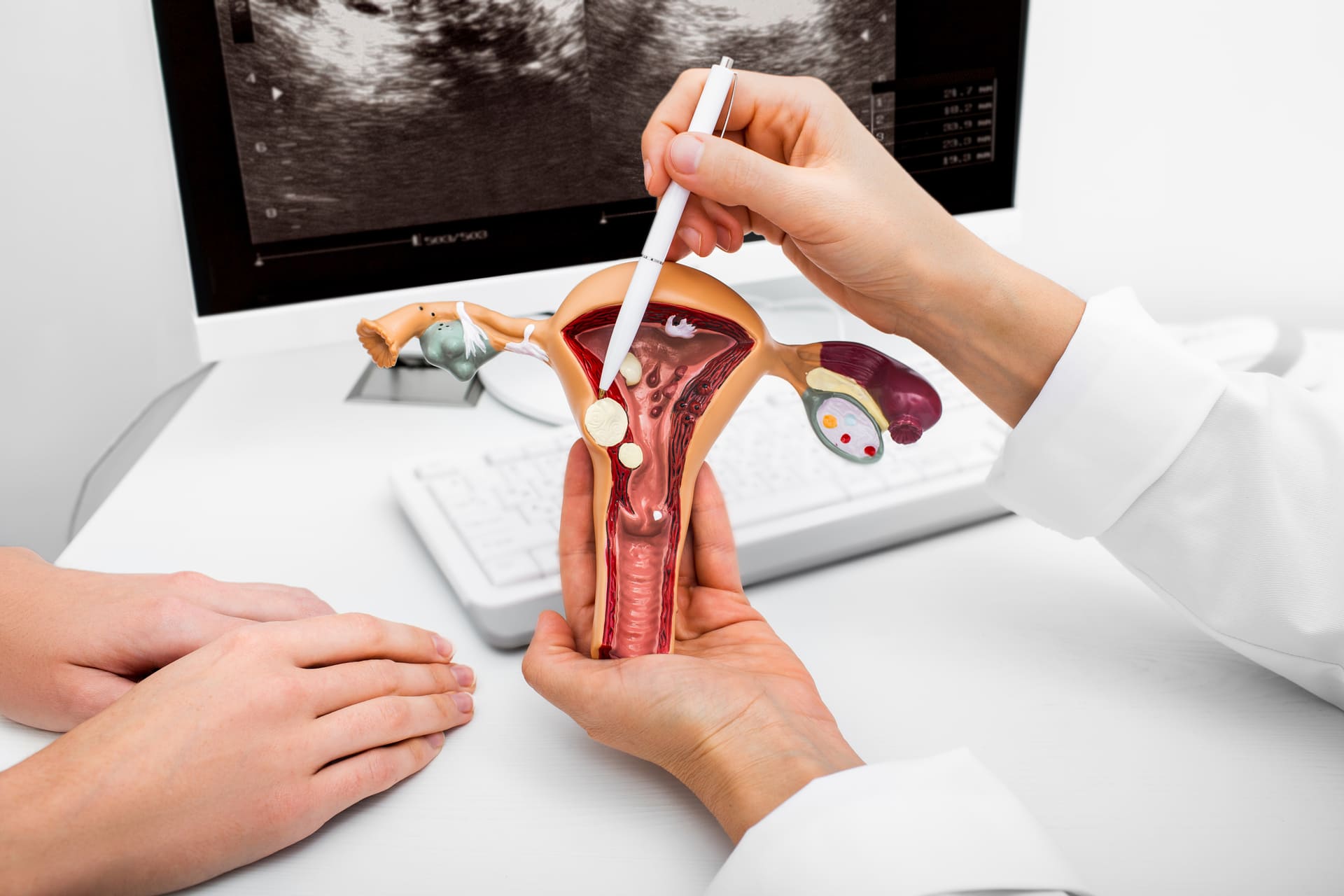
ALICE (Analysis of Infectious Chronic Endometritis)
ALICE (Analysis of Infectious Chronic Endometritis) is a specialized molecular test that detects pathogenic microorganisms in the endometrium responsible for inflammation that goes unnoticed in standard cultures.
This is, therefore, an inflammation that does not cause pain or fever – but can prevent implantation or lead to recurrent pregnancy loss.
In many cases, implantation failure or recurrent miscarriages are not due to obvious causes. The endometrium may appear healthy, the embryos of good quality, and yet pregnancy fails. When medicine investigates underlying barriers, one of the first suspicions is chronic endometritis.
What Is Chronic Endometritis
Chronic endometritis is a mild, persistent inflammation of the endometrium, typically caused by bacteria such as Escherichia coli, Streptococcus, Enterococcus, or Mycoplasma/Ureaplasma. Unlike acute infections, chronic endometritis does not present with intense symptoms but alters the microenvironment of the endometrium, affecting its receptivity.
Chronic endometritis is not caused by a single factor but is the result of continuous or recurring microbial disruption in the endometrium.
Common causes include:
Cause 1
Persistent bacterial infections
Often from common pathogens such as E. coli, Streptococcus, Enterococcus, Mycoplasma, and Ureaplasma, which may not cause visible symptoms but disrupt the endometrial microbiota.
Cause 2
Inadequate treatment of past inflammations
Infections that were partially treated or not followed up may leave behind residual chronic inflammation.
Cause 3
Frequent intrauterine interventions
D&C procedures, hysteroscopy, IUD insertion, or even multiple IVF attempts can increase the risk of chronic inflammation.
Cause 4
Disruption of the endometrial microbiome
A decrease in the normal protective bacteria (e.g. Lactobacillus) leads to imbalance in the microenvironment and favors the presence of pathogens.
Chronic endometritis is a stealthy but treatable condition. Accurate diagnosis through the ALICE test and targeted treatment are key to restoring normal endometrial balance.
How the ALICE Test Works
ALICE uses Real-Time PCR technology (quantitative polymerase chain reaction) to detect the DNA of specific pathogens frequently associated with chronic endometritis. It is performed in conjunction with an endometrial biopsy and may be done alone or alongside EMMA and ERA tests, as part of a comprehensive and detailed evaluation of the endometrial environment.
The ALICE result reveals:
Whether there is inflammatory activity
Which exact microorganisms are involved
Which treatment strategy is recommended for their elimination
There are recurrent implantation failures (RIF) without other obvious causes
Recurrent miscarriages have occurred
Ultrasound or histological examination shows signs of endometrial inflammation
The first IVF attempt is being planned for women with a high-risk profile
What a Positive Result Means
If the ALICE test results indicate the presence of inflammation or pathogens, the treatment strategy includes:
Antibiotic therapy
Re-testing after treatment
Waiting for the inflammation to fully resolve before attempting another embryo transfer
In many cases, proper treatment leads to a significant improvement in implantation rates. Our approach at FertUlity is not to ignore the “silent obstacles,” but to ensure that before transferring a precious embryo, the environment is truly ready to receive it. The ALICE test is a powerful tool to detect and treat small but critical imbalances that can make a difference.
ALICE Frequently Asked Questions About the ALICE Test
Is the ALICE test painful?
The test is based on an endometrial biopsy, a short and relatively painless procedure similar to a Pap smear, performed without anesthesia.
Are there any side effects?
The ALICE test is a safe procedure with minimal side effects. Some women may experience light bleeding or cramps for a few hours after the biopsy.
If inflammation is detected, what’s the next step?
If inflammation is found, you will receive appropriate antibiotic therapy (often combined with probiotics or anti-inflammatories). A follow-up test is then recommended to assess readiness for the next IVF cycle.
Does chronic endometritis affect the chances of conception?
Yes. Treating chronic endometritis has been associated with a significant increase in implantation success rates and a reduction in miscarriage rates, especially in women with a history of previous failures.
100% genuine, public Google reviews. Because every successful IVF story begins with honesty and trust.
Why choose FertUlity?
Because here, IVF is not just a medical procedure. It is a personal matter.
At FertUlity, we believe that every couple deserves to feel secure, respected and hopeful. We combine expertise in reproductive medicine, modern IVF techniques and a human approach that makes all the difference.
Our treating physicians, Dr. Maria Oikonomou and Dr. Makis Papadopoulos, are officially specialised in infertility and gynaecological endocrinology, offering personalised protocols for each case. We collaborate with leading units, such as the Institute of Life and the IAMA Clinic, utilising cutting-edge technology, with transparent prices, high success rates and a holistic approach.
We collaborate with leading units, such as the Institute of Life and the IAMA Clinic, utilising cutting-edge technology, with transparent prices, high success rates and holistic support throughout your journey.
FertUlity means reliability, expertise and human interest. Because life begins with the right choice.